
What Happens During Electrician Apprenticeship Training?

Electrician apprenticeship training is designed to prepare individuals for a career in the electrical trade by combining classroom instruction with practical work experience. Rather than learning only through textbooks, apprentices develop technical knowledge while working alongside experienced electricians in real-world environments. This structured approach allows trainees to understand electrical systems, safety procedures, industry standards, and installation methods over an extended period. As apprentices gain experience, they gradually take on more responsibility while continuing to build the skills needed to perform electrical work safely and effectively.
Learning the Fundamentals of Electrical Systems
Apprenticeship training begins with developing a strong understanding of the basic principles of electricity and electrical systems. Trainees learn about electrical circuits, voltage, current, resistance, wiring methods, and the function of common electrical components. Classroom instruction explains how these concepts apply to residential, commercial, and industrial environments. Building this technical foundation helps apprentices understand how electrical systems operate before performing more advanced tasks in practical settings.
Developing Practical Workplace Skills
A significant portion of electrician apprenticeship training takes place on job sites under the supervision of qualified professionals. Apprentices observe experienced electricians before gradually participating in activities such as installing wiring, connecting electrical equipment, reading blueprints, and using specialized tools. Practical experience allows trainees to apply classroom knowledge while becoming familiar with real working conditions. This combination of theory and hands-on learning helps build confidence and technical competence throughout the training process.
Understanding Safety Standards and Regulations
Safety is one of the most important aspects of electrician apprenticeship training. Apprentices receive detailed instruction on identifying electrical hazards, using protective equipment, and following safe working procedures. They also become familiar with electrical codes, workplace regulations, and inspection requirements that govern the installation and maintenance of electrical systems. Understanding these standards is essential because electrical work requires careful attention to safety, accuracy, and compliance with industry regulations.
Building Problem Solving and Diagnostic Skills
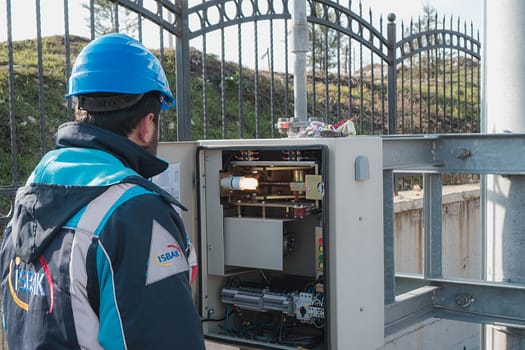
Electricians regularly encounter situations that require careful analysis and logical decision-making. Apprentices learn how to identify electrical faults, interpret testing results, and determine appropriate methods for resolving technical issues. Training includes using testing instruments and diagnostic equipment to evaluate electrical systems accurately. Developing these problem-solving abilities helps apprentices understand not only how electrical systems are installed but also how they are maintained and repaired throughout their service life.
Preparing for Long-Term Professional Development
Electrician apprenticeship training provides the foundation for continued growth within the electrical industry. As apprentices gain experience, they develop technical knowledge, workplace communication skills, and an understanding of professional responsibilities. The combination of practical experience and formal education prepares trainees for future licensing requirements, specialized training opportunities, and evolving technologies within the trade. This ongoing development supports long-term career progression while helping electricians adapt to changing industry standards and innovations.
Electrician apprenticeship training combines classroom education with supervised practical experience to prepare individuals for a skilled career in the electrical trade. Through technical instruction, workplace learning, safety education, and problem-solving practice, apprentices develop the knowledge and abilities needed to work confidently and responsibly. As technology and industry standards continue to evolve, apprenticeship programs remain an essential pathway for building skilled professionals who can meet the demands of modern electrical systems. Their comprehensive approach ensures that future electricians are equipped with both practical expertise and a strong understanding of safe working practices.